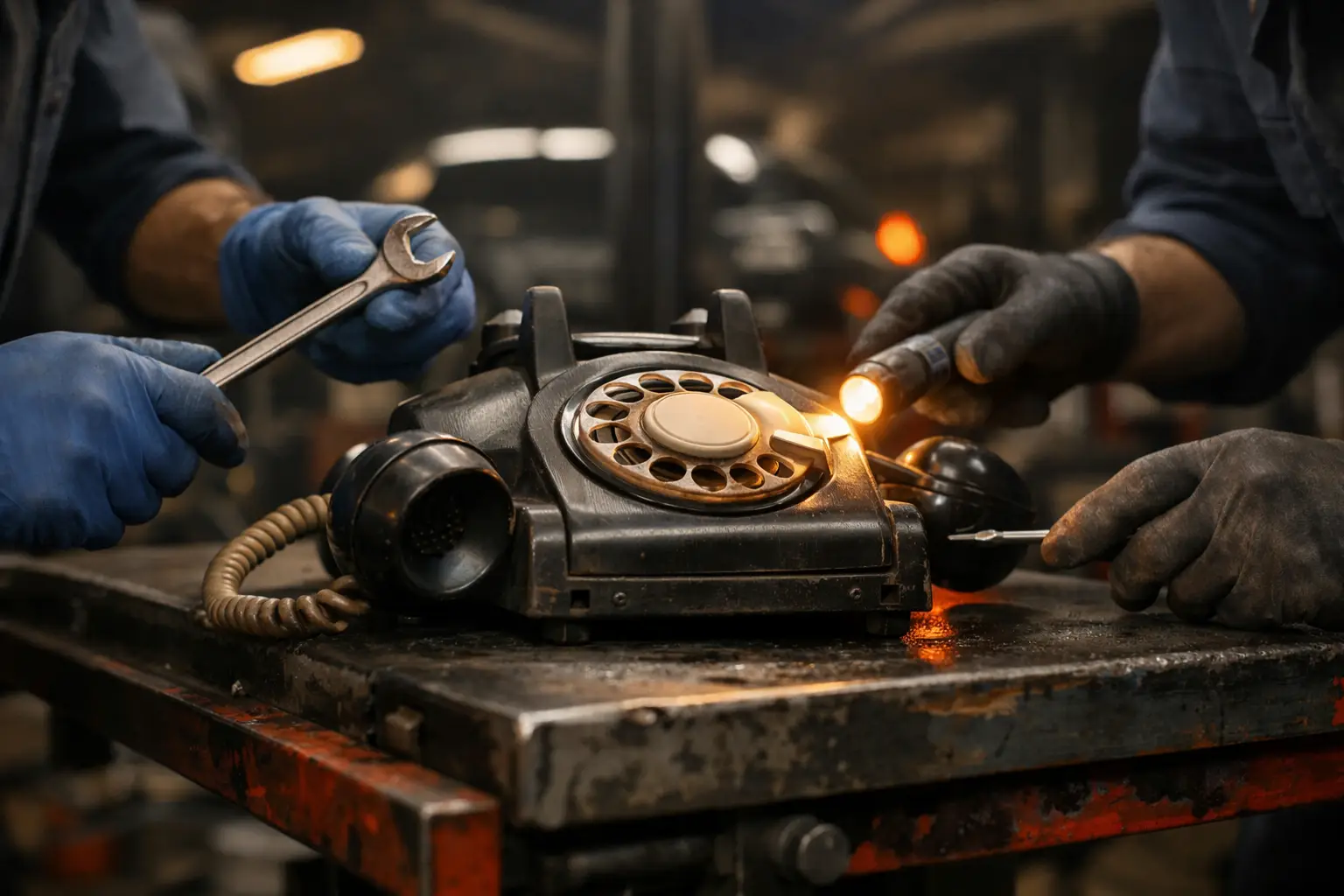
A brake job is half torn down, a tech needs an approval, the parts line is ringing, and your front desk just missed a new customer calling about a no-start. That is exactly where auto repair shop phone triage stops being a nice idea and starts becoming an operating need.
Most shops do not have a phone problem. They have a prioritization problem. Every caller thinks their issue is urgent. Some are. Some are shopping price. Some need a tow recommendation. Some want to know if you install customer-supplied parts, work on diesel, handle European vehicles, or can squeeze them in today. If every call gets handled the same way, your team loses time on the wrong conversations and misses the right ones.
What auto repair shop phone triage actually means
In a repair shop, phone triage means sorting inbound calls by urgency, fit, and next step before they eat up your service writer’s day. It is not just answering the phone. It is deciding what happens next based on the caller’s situation and your shop rules.
A good triage flow does three things fast. It figures out why the customer is calling, checks whether the job fits your shop, and routes the caller to booking, a message, a handoff, or a polite no. That sounds simple until you think about all the edge cases a real shop sees in a week.
A first-time caller asking for an AC diagnostic is different from an existing customer checking on a vehicle already in the bay. A stranded motorist with a tow truck on the way is different from someone calling five shops for the cheapest brake pads. The point of triage is not to rush people off the phone. The point is to give each call the right level of attention without dragging your team into every conversation.
Why bad phone triage costs more than missed calls
Most owners notice the obvious loss first – unanswered calls. What they do not always see is the daily drag from poorly handled answered calls.
If a service writer gets pulled off the counter ten times a morning for basic fit questions, status checks, or callers who should have been booked into a later window, that is real production loss. Advisors lose focus. Customers standing in front of them wait longer. Techs get interrupted while approvals are delayed. The whole shop feels busier than it should.
There is also a customer experience problem. People calling an auto shop are often stressed. Their car will not start. Their check engine light came on before work. They have a tow driver asking where to go. If the phone rings out, gets answered inconsistently, or lands with someone who cannot guide the call, that customer usually does not give you many chances.
The trade-off is that not every call deserves the same amount of shop time. A high-value diagnostic request and a caller insisting on bringing their own parts should not follow the same path. That is why triage has to reflect shop economics, not just phone etiquette.
The best auto repair shop phone triage starts with shop rules
Shops get in trouble when phone handling is built around generic scripts instead of real operating rules. Your triage process should match how your front desk already thinks on a good day.
That means defining your service boundaries clearly. Do you work on European makes? Do you take tire-only work? Do you install customer-supplied parts? Do you book same-day diagnostics? Do you want pricing questions answered generally, or do you want those callers pushed toward an inspection appointment? If those rules are fuzzy, the phone will stay messy.
This is where many shops underestimate the problem. They think they just need more coverage. What they usually need is better call logic. Coverage without rules just means more calls handled poorly.
A strong triage setup also accounts for booking windows. If your mornings are slammed with drop-offs and advisor traffic, same-day appointments may sound good on the phone but create a bottleneck in practice. Triage should reflect real capacity, not wishful scheduling.
Calls that need fast routing
Some calls should move quickly to a person or a defined next step. Existing customer status calls, active tow-ins, and approval-sensitive conversations are obvious examples. If a vehicle is already in process, callers usually need continuity, not a fresh intake.
The same goes for upset callers. A customer who believes a repair failed, or who is already frustrated about timing or cost, should not get trapped in a generic phone loop. Good triage recognizes when the goal is de-escalation and handoff, not information gathering.
Calls that should be filtered before they hit the counter
Other calls do not need live staff right away. Basic FAQ calls, fit questions, after-hours inquiries, and broad pricing shoppers can often be handled without interrupting the front desk.
That does not mean brushing people off. It means giving them useful direction. If someone wants a quote for brakes, the triage flow can explain that final pricing depends on the vehicle, parts quality, and what inspection finds, then move them toward the right appointment type. That protects the calendar and keeps your team from debating hypothetical estimates all day.
What a workable phone triage flow looks like in a repair shop
The strongest setups feel natural because they follow the same judgment an experienced service writer uses.
The call starts with identification. Is this a new customer, an existing customer, or a vehicle already in the shop? Then it narrows the need. Is this a diagnostic issue, routine maintenance, a quote request, roadside urgency, or a status question? Next comes fit. Does the shop handle this type of work, this vehicle class, and this timing window?
From there, the path should be clear. Book it, route it, capture it for follow-up, or decline it professionally.
Where shops get real value is in the details. If your shop does not install customer-supplied parts, the phone process should say so cleanly and consistently. If diesel work is limited. If European is excluded. If alignments are only booked on certain days. If towing callers need instructions before arrival. These are not small details. They are the difference between a useful call and front-desk cleanup later.
Why after-hours triage matters more than most owners think
A lot of missed revenue does not happen at 10:30 a.m. It happens after the doors are locked.
People call repair shops early, late, and during lunch because that is when car problems interrupt their day. If those calls just hit voicemail, you are relying on a stranger to leave a good message and wait for a callback. Some will. Plenty will not.
After-hours phone triage gives those callers a better path. It can capture the issue, screen for fit, collect the right details, and line up the next action for the morning. That matters most for high-intent calls like no-starts, tow-ins, and first-time customers trying to get on the schedule.
There is an important balance here. After-hours triage should not pretend the shop is open when it is not. It should set expectations honestly while still moving the conversation forward. Customers respond well to clarity. They do not respond well to vague promises.
How to tell if your current phone triage is broken
You do not need a formal audit to spot the signs. If your service writers are constantly interrupted by calls that lead nowhere, your triage is weak. If your team gives different answers to the same fit question, your triage is weak. If after-hours calls disappear into voicemail, your triage is weak.
Another common sign is bad booking quality. The calendar looks full, but too many appointments are poor fits, too many callers show up expecting work you do not do, or too many quote shoppers take up staff time without converting. That is not just a booking issue. It is a screening issue upstream.
The fix is not always more people. Sometimes it is better routing, tighter exclusions, and clearer handoff rules.
What to build before you change your phone process
Before you improve triage, get your shop decisions on paper. Define your core services, your exclusions, your appointment types, your same-day rules, your towing instructions, and your escalation paths. Decide which calls always need a live handoff and which ones can be captured for follow-up.
Then review your real call patterns, not your assumptions. Owners often think the phone is mostly new customer work, but a lot of the volume is status checks, simple questions, and repeat fit issues. Once you know the mix, you can build a process that protects your team where it matters.
This is also where specialization matters. A generic answering setup can take messages. It usually cannot think like a front desk that knows why a transmission quote call, a warranty complaint, and a same-day misfire request should not all be treated the same. That is why shop-specific setup matters more than flashy features. Ratchet Call is built around that reality.
Good auto repair shop phone triage does not make your shop sound bigger. It makes your shop run tighter. When the phone follows your rules, your team gets fewer dead-end interruptions, better booking quality, and more time to actually move cars through the bays. That is usually where the real win shows up first.
10 thoughts on “Auto Repair Shop Phone Triage That Works”