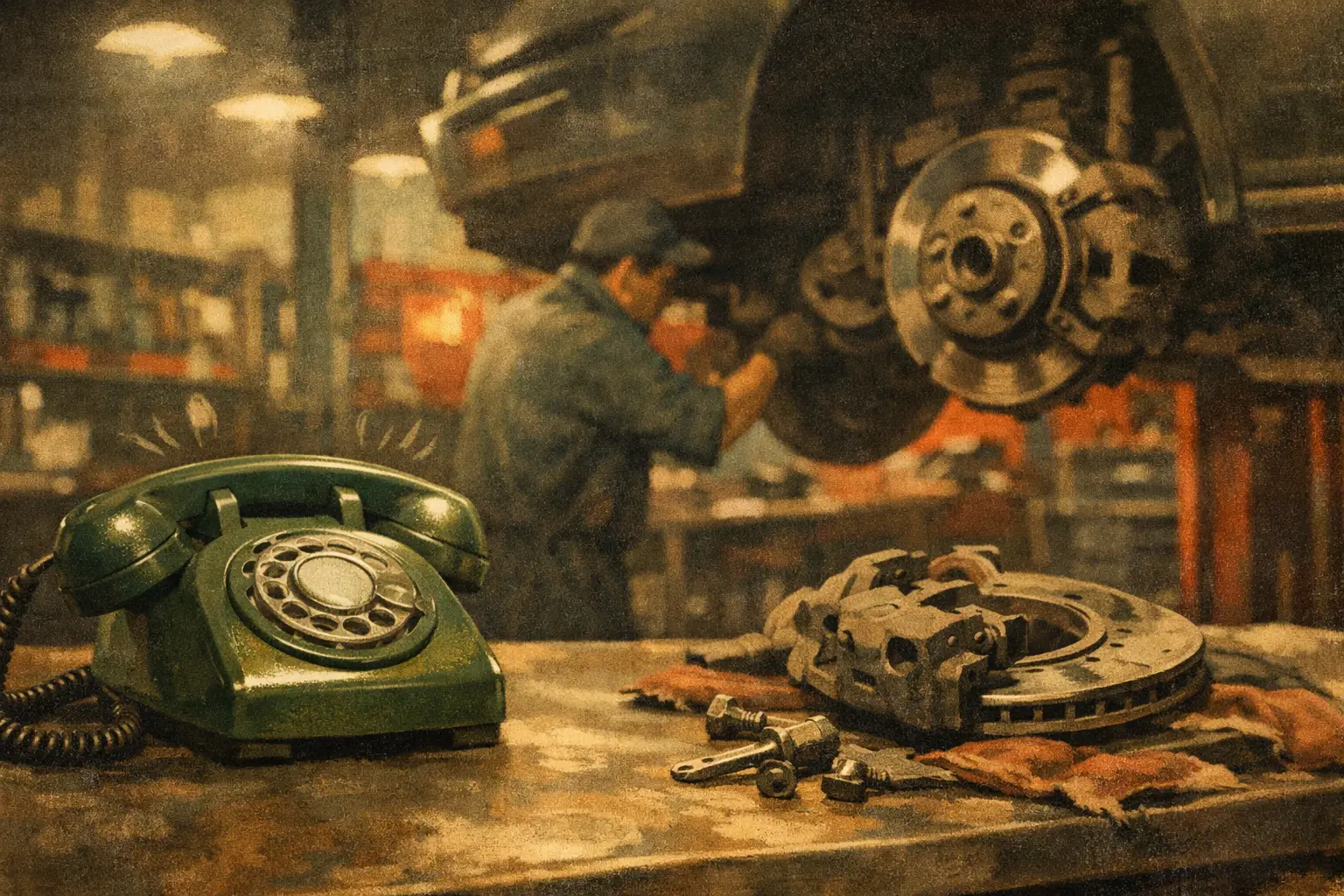
Phones ring at the worst possible time in a working shop – right when an advisor is writing up a ticket, a tech needs an approval, or the owner is halfway through solving a comeback. That is exactly why more operators are looking for an auto repair shop receptionist alternative instead of trying to patch the front desk with whoever happens to be free.
The real issue is not just answering the phone. It is answering it correctly, without pulling productive people off productive work. In an auto shop, a bad call flow does more than create a bad impression. It leads to wrong expectations, wasted bays, upset customers, and missed revenue from people who were ready to book.
What makes an auto repair shop receptionist alternative worth it
A generic answering service sounds fine until real shop calls start coming in. Customers do not call with neat, simple questions. They ask if you can squeeze in a brake inspection today. They want a ballpark on an AC issue without committing to diagnostics. They ask whether you work on diesels, European cars, tires, alignments, or warranty work. Some are calm. Some are frustrated. Some have been calling around all morning.
A real receptionist alternative has to handle those calls with shop judgment, not a script.
That means it should know the difference between booking a routine oil service and triaging a no-start. It should know when to collect details and when to hand the call to someone in the shop. It should know your service exclusions so it does not promise work you do not want. And it should follow your calendar rules instead of just dropping customers into time slots that look open on paper but do not make sense in the bay.
If the alternative cannot do that, it is not replacing front-desk load. It is just moving the mess somewhere else.
Why hiring another person is not always the best fix
For some shops, a dedicated receptionist is absolutely the right move. If call volume is high all day, walk-ins are constant, and the front counter stays stacked, a strong in-house person can be worth every dollar.
But that is not every operation.
A lot of independent shops are stuck in the middle. They miss enough calls to feel the pain, but not enough to justify another full-time hire with payroll, training, coverage gaps, and turnover risk. Some already have a service writer, but that person is overloaded during peak hours. Others need help mainly during lunch, first thing in the morning, late afternoon, and after hours.
That is where an auto repair shop receptionist alternative starts to make operational sense. Instead of paying for idle time just to cover bursts in call volume, the shop gets call coverage where the real breakdown happens.
The trade-off is simple. A good in-house receptionist can do more tasks across the front counter. A specialized alternative can often answer more consistently, cover more hours, and reduce interruptions at a lower overhead. Which one is better depends on how your shop actually runs.
The best alternatives are built around call logic, not just call pickup
A lot of shop owners think the problem is missed calls. Missed calls are the symptom. The deeper problem is inconsistent call handling.
If one customer hears, “Sure, bring it in,” and the next hears, “We are booked out,” and the third gets sent to voicemail, the shop is not running a phone process. It is improvising.
A strong receptionist alternative should be designed around call logic that fits your operation. That usually includes a few core pieces.
Booking rules that match the shop floor
Not every appointment is equal. A battery concern, check engine light, and suspension noise should not all be treated like the same 30-minute booking block. Your phone coverage needs rules around service type, appointment windows, lead times, and when to route a caller for human review.
If your shop only books diagnostics on certain days, the system should follow that. If same-day work is limited to quick services, it should know that too. Good coverage protects the calendar instead of filling it blindly.
Service knowledge and exclusions
This is where generic services usually fall apart. If you do not work on transmissions, body work, RVs, certain European makes, or customer-supplied parts, the phone needs to communicate that clearly and professionally.
That matters just as much as booking. A polite, accurate no saves your staff from having the same bad-fit conversation later at the counter.
Handoff rules for edge cases
Some calls should never be trapped in automation. Comeback complaints, warranty issues, fleet questions, and upset customers often need a live staff handoff or at least a message flow with enough detail for a clean callback.
A receptionist alternative works best when it knows its lane. It should handle routine volume and route exceptions with context, not dump vague messages into a pile.
Where shops usually lose money on the phone
Most missed opportunities do not look dramatic. They look normal.
It is the customer who calls during lunch and moves on after two rings. It is the caller asking about brakes who gets told to call back later. It is the after-hours voicemail from someone whose car will not start the next morning. It is the pricing inquiry that should have been turned into a diagnostic booking, but instead ended with, “We can’t quote that over the phone.”
None of those feel like a major event in the moment. Stack them across a week, and they become a front-desk leak.
A good alternative closes that leak by doing three things well. It answers consistently, captures intent clearly, and moves the caller toward the next right step. Sometimes that next step is a booking. Sometimes it is a qualified message. Sometimes it is a human handoff. The point is not to force every call into the same outcome. The point is to stop losing workable opportunities because nobody had time to answer properly.
How to evaluate an auto repair shop receptionist alternative
Do not start by asking whether it uses AI, live agents, or some mix of both. Start by asking how it handles your actual calls.
Ask what happens when a customer asks for same-day service. Ask how pricing inquiries are triaged. Ask how it handles jobs your shop does not take. Ask whether it can follow your booking windows, escalation rules, and call-after-call adjustments.
If the answer sounds generic, that is your answer.
A real shop-ready system should be configured before it goes live. That means mapping common call scenarios, setting booking rules, teaching service boundaries, and defining who gets interrupted and when. It should also be reviewed after launch, because the first batch of live calls usually shows where the script on paper does not match the reality of your customer base.
That tuning matters. Shops do not all answer calls the same way, and they should not. A general repair shop, a Euro specialist, and a high-volume tire and brake shop have different phone patterns, different conversion points, and different reasons to escalate.
What the right setup feels like in daily operations
When the fit is right, the biggest change is not flashy. The shop just feels less interrupted.
Service writers stay focused longer. Techs are not getting dragged into front-office questions. Owners are not stepping out of the bay or office every time the phone piles up. Customers get a cleaner first impression because they are not hitting voicemail or catching someone rushed between jobs.
You also get better consistency after hours. A lot of repair decisions happen when customers are off work, sitting at home, finally dealing with the car problem they ignored all day. If your process ends at 5:30, you are leaving those calls for the next shop that answers.
That does not mean every shop needs a full replacement for the front desk. In many cases, the best receptionist alternative acts more like pressure relief. It absorbs the routine calls, protects the calendar, captures after-hours demand, and only interrupts your team when it actually should.
That is a better standard than simply asking whether the phone got answered.
One example of this approach is Ratchet Call, which is built specifically around independent shop call flows, booking rules, service exclusions, and live handoff situations instead of generic call center scripts.
If you are weighing options, think less about headcount and more about process. The best auto repair shop receptionist alternative is the one that matches how your shop already works on its best day, then keeps doing it when the front desk gets slammed. Shops can hear it firsthand by calling the live demo line: (615) 558-5787.