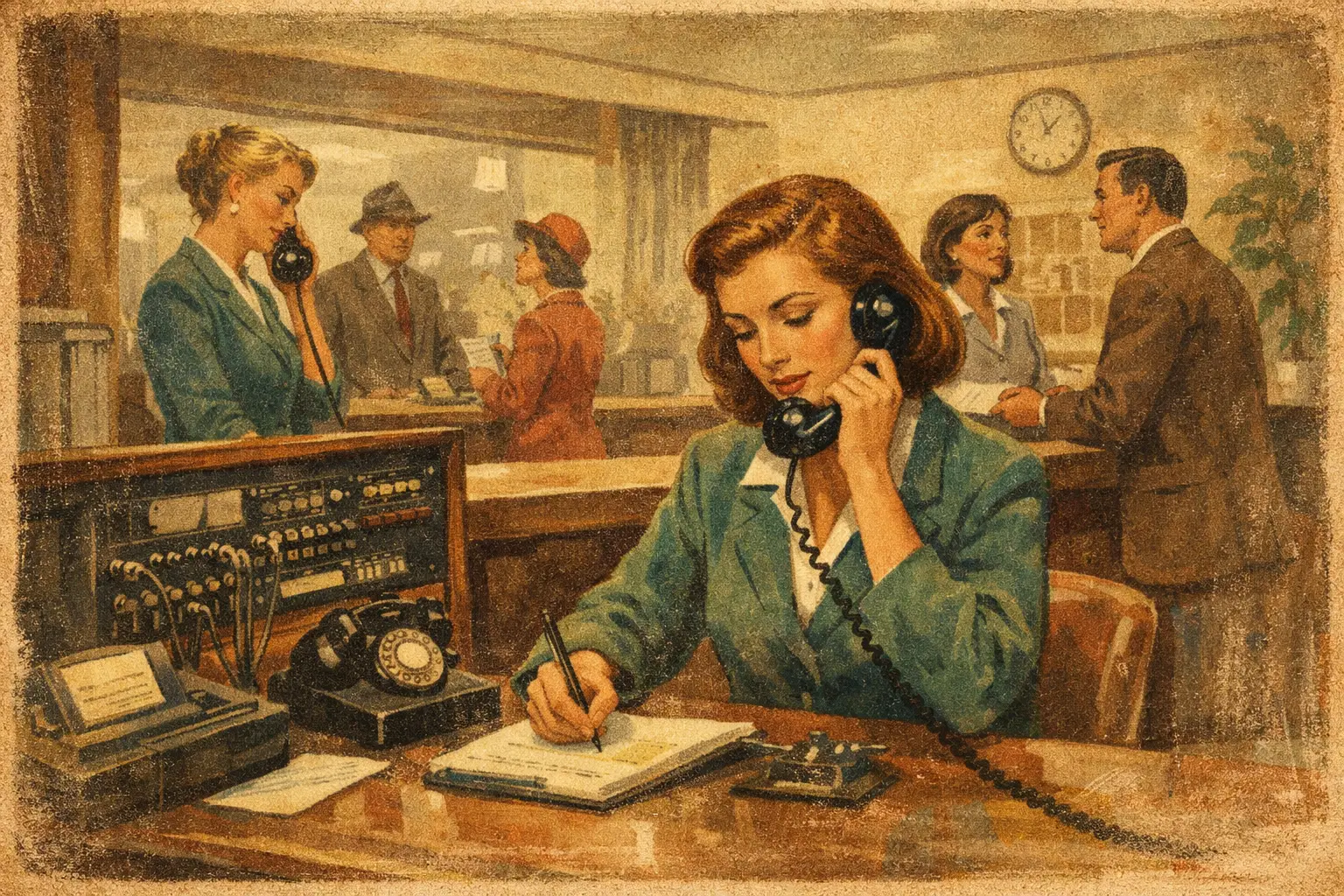
The phone rings while your service writer is explaining a brake estimate, a tech needs approval on a parts order, and a customer is standing at the counter waiting to pay. That is exactly when shops lose calls – and when the caller on the other end decides to try the next shop. To improve front desk call coverage, you need more than someone answering whenever they can. You need a repeatable plan for what gets answered, booked, escalated, and captured.
A missed call is not always a lost repair order. But it is always a customer who had to work harder to do business with you. For an independent shop, that adds up fast.
Improve Front Desk Call Coverage by Fixing the Call Flow
Most coverage problems are not caused by a lazy team. They are caused by a front desk that has too many jobs happening at the same time. The service writer is supposed to greet walk-ins, create estimates, explain repairs, chase approvals, collect payment, coordinate with technicians, and answer every incoming call with a calm, helpful voice.
That is not a people problem. It is a workflow problem.
Start by separating calls into two buckets: calls that need a staff member’s judgment right now and calls that can be handled through clear shop rules. A customer asking whether you work on European vehicles, whether an oil change requires an appointment, or what time you close should not have to interrupt a writer who is finalizing a four-figure repair order.
On the other hand, an upset customer, a question about an existing repair, a fleet account issue, or a call involving a safety concern may need a live handoff. Good coverage does not mean blocking your staff from callers. It means getting the right calls to the right person without turning every ring into an interruption.
Map the Calls Your Shop Actually Gets
Before changing phones, adding staff, or turning on an answering service, look at the calls you receive over a normal week. The goal is not to create a perfect script. It is to identify predictable situations and decide what your shop wants to happen in each one.
A workable call map usually includes these common categories:
- New appointment requests for maintenance, diagnostics, tires, brakes, or inspections
- Existing customer status calls, estimate questions, and pickup timing
- Pricing inquiries that need basic triage before anyone quotes a number
- Service exclusions, such as work your shop does not perform or vehicle types you do not service
- Emergency or upset-customer calls that require immediate staff attention
- After-hours calls that should be captured for follow-up the next business day
This is where many generic answering setups fall apart. They can take a message, but they cannot tell the difference between a customer needing a state inspection, a no-start that may need a tow, and someone asking for a transmission rebuild your shop does not offer.
Write down your rules in plain language. Do you take same-day oil changes? Do diagnostic appointments need a drop-off window? Can a caller book brake work online, or should the team inspect the vehicle first? Do you service diesel, hybrids, commercial vans, or only certain makes? Clear answers make call coverage faster and more accurate.
Protect the Counter During Peak Hours
The worst time to rely on a service writer to catch every call is usually the same time the phones ring hardest: the morning drop-off rush, lunch, and the late-afternoon pickup window. If calls are rolling to voicemail during those periods, your coverage gap is predictable.
Measure it. Review missed-call timestamps for two weeks, then compare them with your shop schedule. You may find that most missed calls hit between 7:30 and 9:00 a.m., when customers are arriving and the team is writing up vehicles. Or you may see a spike after 4:00 p.m., when callers are trying to get a vehicle looked at before the next day.
Once you know the pressure points, choose the right coverage method. A larger shop may schedule a dedicated phone-focused person during peak windows. A smaller operation may need outside phone coverage that can handle routine questions and book qualified appointments while the team stays on the floor.
There is a trade-off. Sending every call to a person can create expense and inconsistency if that person does not know your shop. Sending every call to automation can frustrate callers if the system cannot recognize when a live human needs to step in. The useful middle ground is coverage built around your actual services, calendar, and escalation rules.
Make Booking Rules Specific Enough to Be Useful
“Book an appointment” sounds simple until the calendar is full, the caller has a no-start, and your next available diagnostic slot is three days away. Call coverage only helps if it books work your shop can actually receive.
Set booking rules around capacity, job type, and lead time. For example, you may allow routine maintenance in open morning or afternoon windows but require diagnostic work to be dropped off by a certain time. You may reserve a limited number of same-day slots for quick services, or you may decide that tire repairs and inspections need different appointment lengths.
Be equally clear about what should not be booked. If you do not rebuild transmissions, program keys, install customer-supplied parts, or service certain vehicle classes, the caller should get a professional answer instead of an appointment that turns into an awkward conversation at the counter.
Pricing calls need their own rule set. A good front desk should not throw out a vague price and hope for the best. It should collect the vehicle year, make, model, engine when relevant, the concern, and whether the vehicle is drivable. Then it can explain whether the shop can provide a range, needs to inspect the vehicle first, or needs a service writer to call back.
That protects your margins and makes the customer feel heard. It also keeps your staff from having to untangle bad expectations created on the phone.
Build a Clean Live-Handoff Process
Some calls should reach your team right away. The key is defining those calls before the phone rings.
A live handoff may be appropriate when a caller is upset about completed work, needs an update on a vehicle currently in your possession, has an urgent safety concern, or represents an existing fleet account. The handoff should include context, not just a ringing transfer. Your staff should know who is calling, why they called, and what information has already been collected.
For everything else, establish a callback standard. If a request cannot be resolved during the first call, capture the caller’s name, number, vehicle details, and reason for calling. Assign ownership for callbacks and set a target response time. “We will call you back” is not a process. “The service writer reviews open call requests at 10:30 a.m. and 3:00 p.m.” is a process.
This matters after hours, too. Many callers search for a repair shop after work, when they finally have time to deal with a warning light or a car that has been acting up. Capturing that call with the right details gives your team a real opportunity to book the job the next morning.
Review Calls Like You Review Comebacks
Coverage is not set-it-and-forget-it. Listen to missed calls, transferred calls, booked appointments, and message-only calls. Look for patterns: Are callers asking questions your phone process cannot answer? Are bookings landing in the wrong calendar windows? Are messages missing vehicle details? Is a certain service exclusion coming up repeatedly?
Treat those findings like a shop process issue. Tighten the rule, update the call language, or change the handoff trigger. Small adjustments can make a major difference because phone mistakes repeat quickly.
Ratchet Call is built around this kind of shop-specific setup: mapping call scenarios, learning what your shop does and does not handle, following your booking rules, and tuning call handling after real calls start coming in. The point is not to sound like a call center. The point is to give callers a capable first response while your team keeps cars moving through the bays.
The best phone coverage feels almost invisible inside the shop. Your writers get fewer interruptions, callers get answers without a voicemail dead end, and the calendar fills with work your team is prepared to perform. Start with the calls you miss most often, put rules around them, and make every handoff intentional.
Shops can hear it firsthand by calling the live demo line: (615) 558-5787.
1 thought on “How to Improve Front Desk Call Coverage Fast”